Filter Press | High-Efficiency Sludge Dewatering Solutions
Filter press technology plays a crucial role in modern industrial and environmental engineering, especially in sludge dewatering and wastewater treatment processes. As environmental regulations become stricter and industries aim to reduce operational costs, the demand for efficient solid–liquid separation equipment continues to increase. Among the available technologies, the filter press remains one of the most reliable and widely applied solutions worldwide.
______________________
A filter press is designed to separate solids from liquids by applying pressure through a series of filter plates and filter cloths. This process produces a solid filter cake with low moisture content and a clear filtrate that can be reused or safely discharged. Due to its high efficiency, robust structure, and adaptability, the filter press is used in many industries, including wastewater treatment, mining, chemical processing, food production, and environmental protection.
This article provides a comprehensive overview of filter press technology, including its working principle, main components, types, applications, advantages, maintenance requirements, and key factors to consider when selecting a suitable filter press.
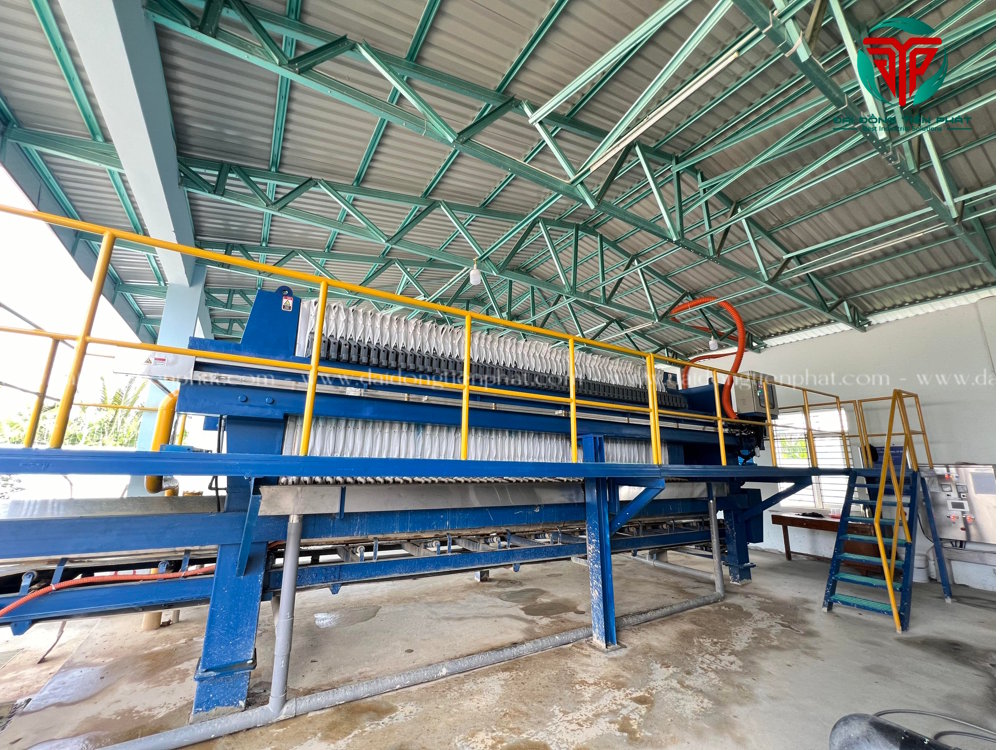
WHAT IS A FILTER PRESS?
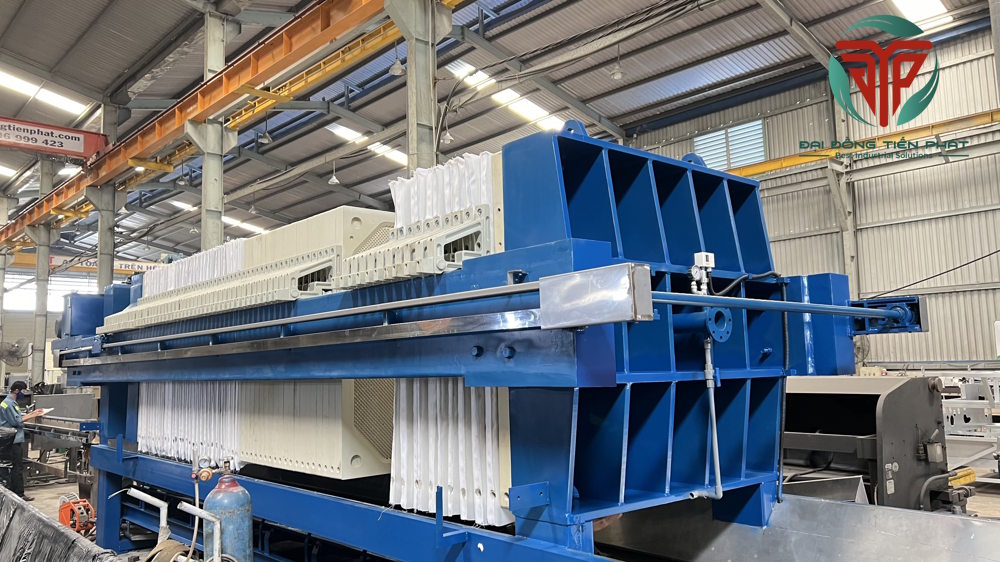
A filter press is a batch-operated pressure filtration device used to separate solids from liquids in slurry or sludge. It consists of a strong frame that holds a series of filter plates covered with filter cloths. When slurry is pumped into the press, solids are retained on the cloth surface while liquid passes through the cloth and exits as filtrate.
The primary purpose of a filter press is to reduce the water content of sludge, making it easier and more economical to handle, transport, or dispose of. Compared with other dewatering equipment, filter presses are capable of achieving very low cake moisture levels, which makes them ideal for applications that require maximum sludge volume reduction.
WORKING PRINCIPLE OF A FILTER PRESS
The operation of a filter press follows a clear and effective sequence:
First, slurry is pumped into the filter press through a feed port. The slurry fills the chambers formed between adjacent filter plates.
As pressure builds up, liquid is forced through the filter cloth and drainage channels inside the plates. The solid particles are trapped on the surface of the cloth, gradually forming a filter cake.
As filtration continues, the filter cake becomes thicker and denser. This cake itself acts as an additional filtration layer, improving the clarity of the filtrate.
In some systems, additional pressure is applied using hydraulic or membrane mechanisms to further reduce the moisture content of the cake.
Once the filtration cycle is complete, the press opens and the filter cakes are discharged, either by gravity or with mechanical assistance.
This batch process allows precise control over filtration conditions, making the filter press suitable for a wide range of sludge characteristics.
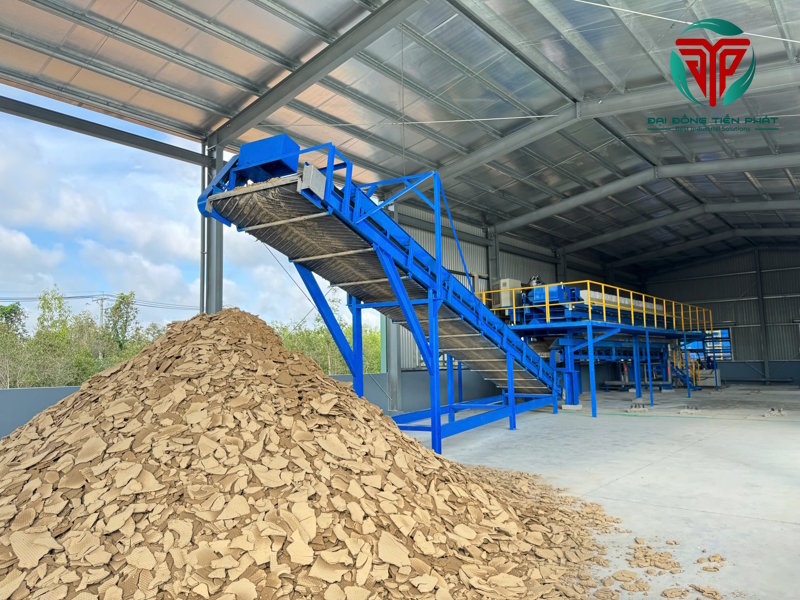
MAIN COMPONENTS OF A FILTER PRESS
A filter press consists of several essential components that work together to ensure stable and efficient operation.
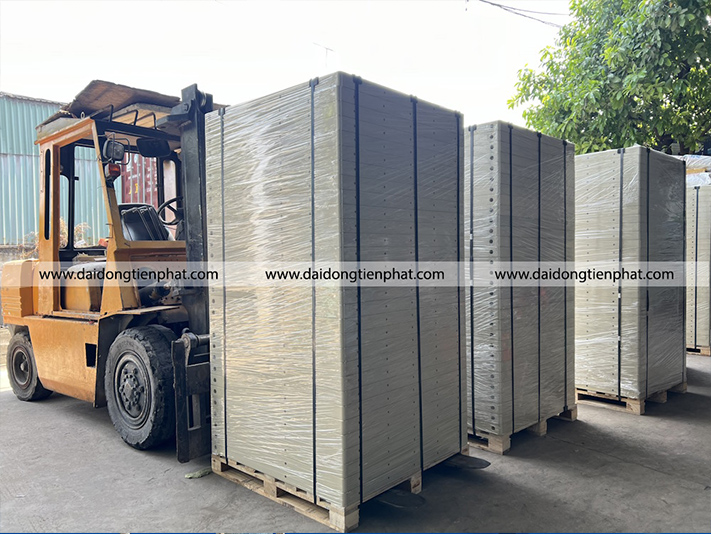
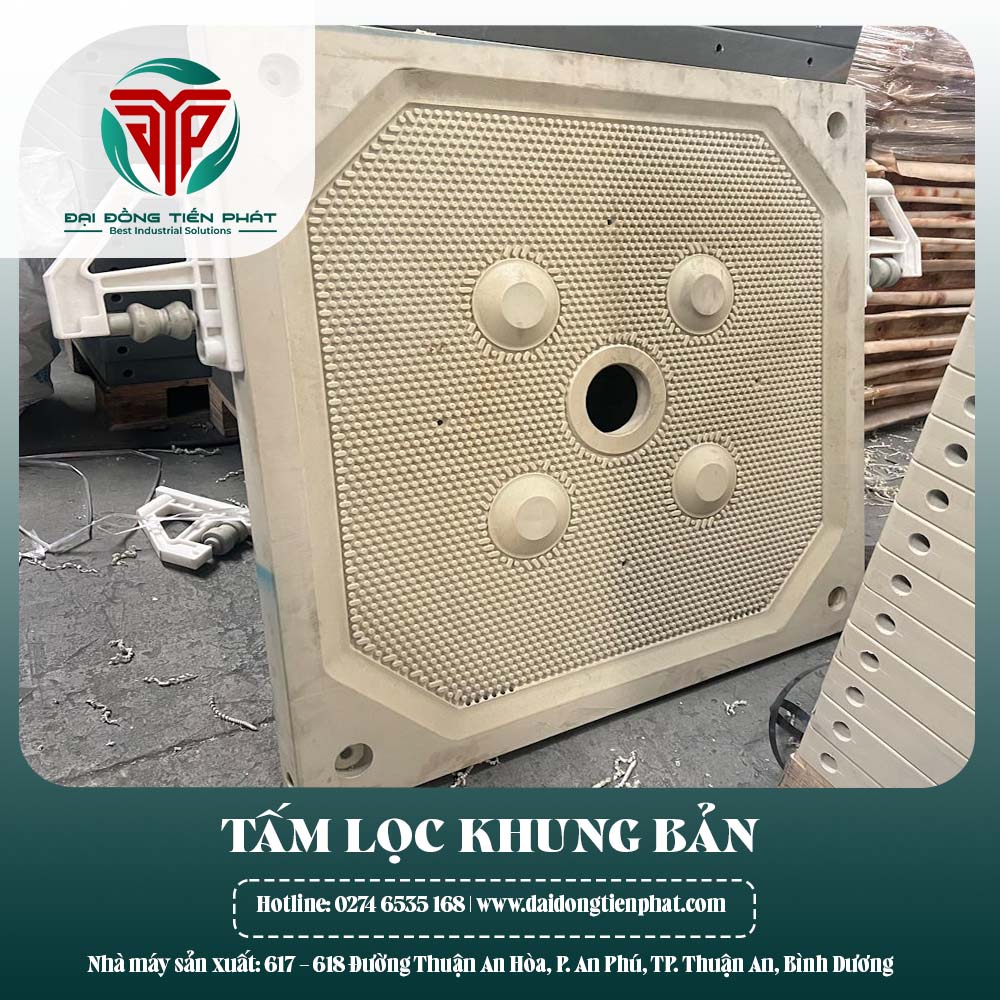
Filter plates are the core of the system, forming the filtration chambers. They are commonly made from polypropylene, cast iron, or stainless steel, depending on the application and chemical resistance requirements.
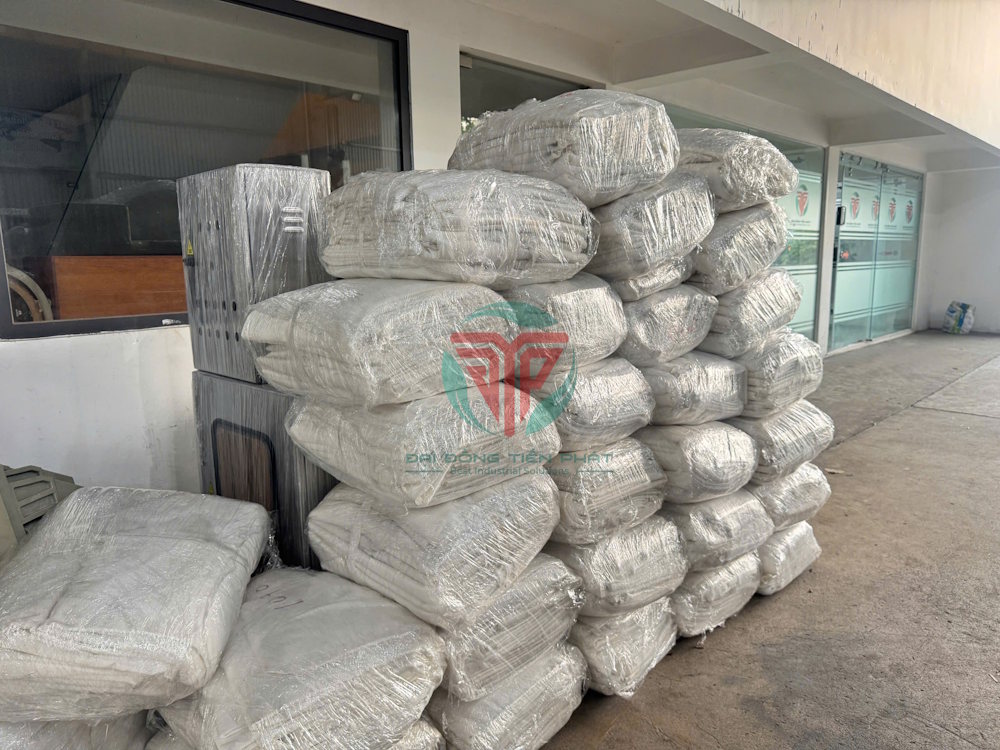
Filter cloths are responsible for retaining solid particles while allowing liquid to pass through. The choice of cloth material and weave directly affects filtration efficiency and cake release.
The frame and support structure provide mechanical strength and alignment for the plates. A rigid frame is necessary to withstand high operating pressures.
The hydraulic or mechanical closing system applies pressure to keep the plates tightly sealed during operation, preventing leakage and ensuring uniform cake formation.
The feed pump and piping system deliver slurry into the filter press at controlled pressure and flow rates.
TYPES OF FILTER PRESS
Different applications require different filter press designs.
Plate and frame filter presses use alternating plates and frames to form filtration chambers. This traditional design is simple but typically requires more manual operation.
Recessed chamber filter presses are among the most widely used today. The chambers are formed by recessed plates, eliminating the need for separate frames and improving efficiency.
Membrane filter presses include flexible membranes that expand during the pressing stage. This design significantly reduces cake moisture and is ideal for applications requiring very dry filter cakes.
Automatic filter presses are designed for large-scale operations and feature automated plate shifting, cloth washing, and cake discharge, reducing labor requirements.
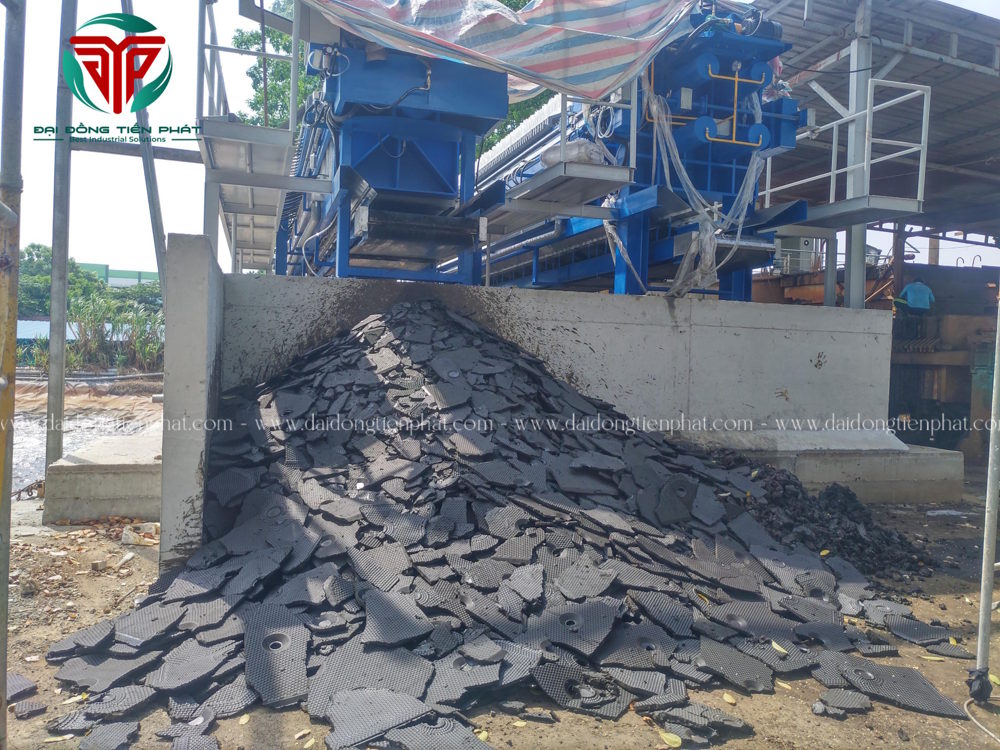
APPLICATIONS OF FILTER PRESS
The versatility of the filter press allows it to be used across many industries.
- In wastewater treatment plants, filter presses are used to dewater biological and chemical sludge, reducing disposal volume and costs.
- In environmental protection projects, filter presses are applied in soil remediation, landfill leachate treatment, and hazardous waste management.
- In mining and metallurgy, filter presses separate solids from process water and reduce tailings volume.
- In the chemical industry, filter presses are used for product recovery, catalyst separation, and waste minimization.
- In the food and beverage industry, filter presses help clarify liquids such as sugar solutions, edible oils, fruit juices, and fermentation products.
ADVANTAGES OF USING A FILTER PRESS
- Using a filter press offers many advantages for industrial operations.
- Filter presses achieve high dewatering efficiency, producing very dry filter cakes.
- They provide excellent filtrate quality with high solid retention.
- The simple mechanical design results in low energy consumption and operating costs.
- Filter presses are flexible and can handle a wide range of sludge types and concentrations.
They help industries comply with environmental regulations by reducing waste volume and improving sustainability.
MAINTENANCE AND OPERATION CONSIDERATIONS
- Proper operation and maintenance are essential for long-term filter press performance.
- Filter cloths should be cleaned or replaced regularly to maintain filtration efficiency.
- Hydraulic systems and seals should be inspected to prevent pressure loss.
- Filter plates must be checked for alignment and surface condition.
- Appropriate chemical conditioning can improve sludge dewaterability and extend filtration cycles.
- Regular maintenance ensures stable operation and prolongs equipment lifespan.

FACTORS TO CONSIDER WHEN SELECTING A FILTER PRESS
- Several factors should be evaluated when choosing a filter press.
- Sludge characteristics such as particle size and concentration are critical.
- Required processing capacity and cycle time must be determined.
- Desired cake dryness influences the choice between standard and membrane presses.
- Available installation space and level of automation should be considered.
- Budget and long-term operating costs must be evaluated to ensure economic efficiency.
FILTER PRESS MANUFACTURED BY DAI DONG TIEN PHAT
Choosing a reliable manufacturer is essential for successful filtration projects. Filter press manufactured by Dai Dong Tien Phat is recognized for quality, durability, and performance.
Dai Dong Tien Phat is a leading sludge dewatering machine manufacturer in Vietnam, specializing in the design and production of filter press systems for wastewater and sludge treatment. With extensive experience in environmental engineering solutions, the company provides filter presses suitable for industrial, municipal, and environmental applications.
Filter press systems from Dai Dong Tien Phat are designed with robust structures, high-quality materials, and optimized filtration performance. These systems help customers reduce sludge volume, lower operating costs, and meet environmental compliance requirements.
For organizations seeking a dependable filter press solution in Vietnam and international markets, Dai Dong Tien Phat stands as a trusted partner in sludge dewatering technology.